
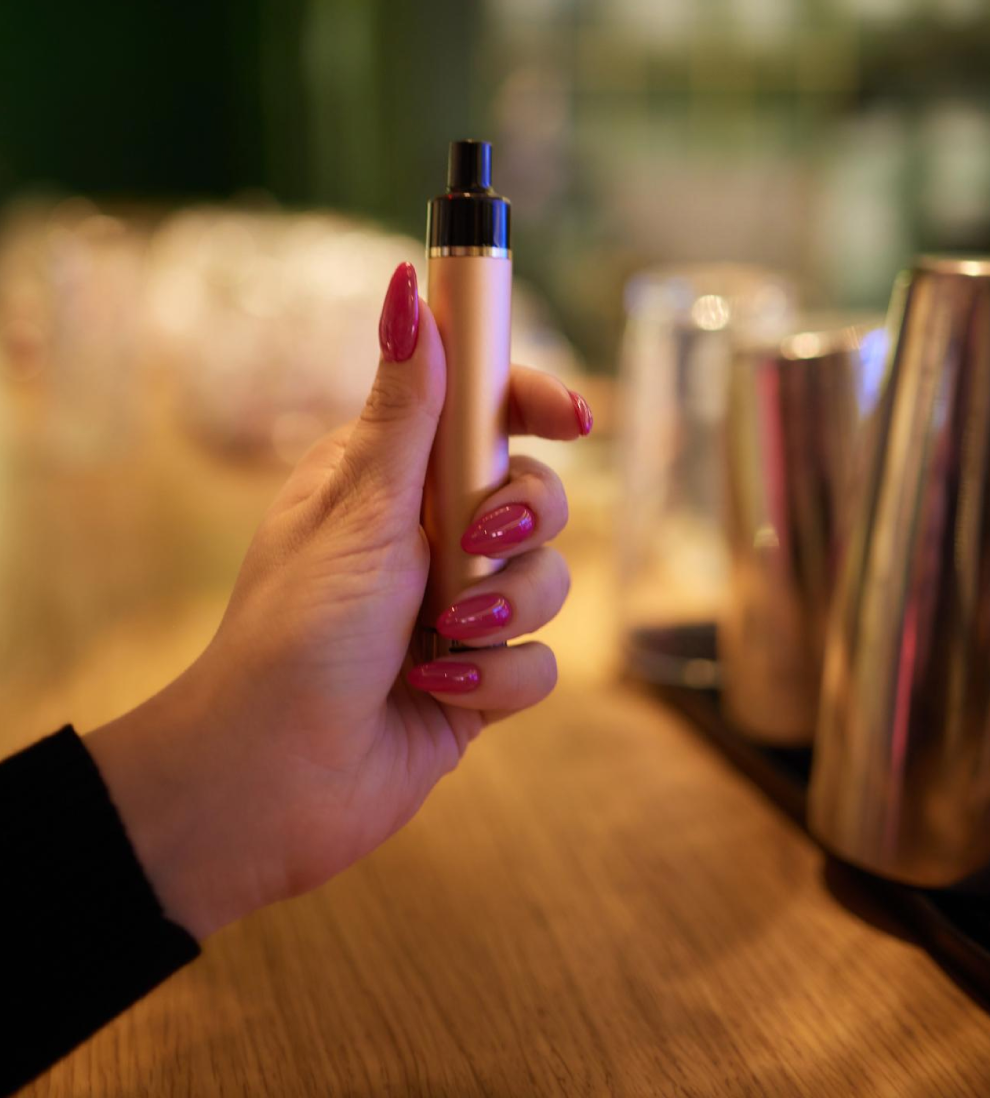
The rise of disposable cannabis vapes is a noticeable trend in today’s cannabinoids-consumption landscape. These devices-pre-filled, single-use pens containing THC (and sometimes other cannabinoids) along with a built-in battery-have surged in popularity for a variety of reasons. The appeal is clear: convenience, portability, ease of use, and a low barrier to entry. Yet despite these advantages, the boom in disposable cannabis vapes also brings considerable drawbacks: environmental waste, health uncertainties, and cost inefficiencies among them. In exploring the rise of disposable cannabis vapes, we’ll delve into the major pros and the cons, how they’ve grown in popularity, and what consumers should keep in mind.
The Rise: Why They’ve Gained Momentum
Over the past few years, disposable cannabis vapes Tarrytown have moved from niche products to mainstream options within legal-cannabis markets. Their design mimics the success of disposable nicotine vapes-compact “plug-and-play” devices that require no setup, charging (in some cases), refilling, or coil replacement. As one source put it: “They’re available in a variety of THC vape strains, potencies, and flavors, making them a popular option for beginners and seasoned cannabis users alike.”
Several factors feed into this rise:
- Ease of entry: For new users or those curious about vaping cannabinoids, disposables remove much of the technical or mechanical barrier. No separate battery, no cart to fill, no gauge for coil resistance.
- Discreet and portable design: The small form factor appeals to users who want something pocket-friendly, quick to use, and less obtrusive than traditional smoking or larger vape rigs.
- Variety of formulations: Many disposables come pre-filled with different strains, flavors, and potencies-offering users options without needing to assemble or calibrate a device.
- Market shifting and regulatory climate: As legal cannabis commerce expands, manufacturers are innovating product formats to meet consumer preferences for quicker, simpler consumption. The disposable format fits this niche.
Given these drivers, it’s no surprise that disposable cannabis vapes have become a staple in Tarrytown dispensary and head shops, often showing up alongside more traditional cartridge-plus-battery systems.
The Pros: What Makes Them Attractive
When assessing the benefits of disposable cannabis vapes, several clear advantages stand out:
Convenience and simplicity
Probably the strongest pro is the low-maintenance nature of these devices. You purchase, you use, you dispose. No cleaning, no charging in some cases, no refilling. As one summary states: “Disposable vapes are designed for immediate use. There’s no need for charging, cleaning, or refilling.” For occasional users or those on the go, this is a big plus.
Portability and discretion
Because they are compact and self-contained, disposable cannabis vapes lend themselves well to mobile use. The “pull out of pocket, use, and discard” model means less equipment to carry. Their design often means smaller vapour clouds, further aiding discreet use.
Low upfront investment, ease of sampling
For someone unsure about investing in a full vape rig, disposables offer a low barrier to test the waters. Since everything is integrated and no additional gear is required, it’s simpler for someone new to the scene.
Flavor/strain variety and turnkey experience
Many disposables come pre-loaded with popular strains or flavour profiles, so users can pick and try without needing to purchase multiple cartridges or mix oils themselves. This appeals to those who don’t want to fuss with the details.
Good for occasional or situational use
If someone only consumes cannabinoids infrequently-socially or for specific occasions-disposables may make sense since they don’t require long-term upkeep or equipment storage.
The Cons: What’s the Tradeoff?
While there are clear positives, the rise of disposable cannabis vapes also comes with meaningful drawbacks. It’s important to weigh these carefully.
Environmental and waste-issue concerns
Perhaps the most talked-about con is the environmental impact. Single-use devices comprise plastics, metals, lithium-ion batteries, residual concentrate-and many end up in landfill rather than being recycled properly. One report noted millions of disposable vapes being thrown away weekly in the UK. The result: growing e-waste, battery fire risk, and sustainability questions.
Higher long-term cost for frequent users
While the initial cost is low, for someone who vapes frequently, buying disposable single-use devices repeatedly can become more expensive than investing in a reusable vape system with refillable cartridges or pods.In other words: the “cheap” entry which looks good for occasional use might turn expensive in the long run.
Limited customization and performance constraints
Disposables give little control: you can’t adjust temperature, airflow, or switch cartridges easily. You’re stuck with what was preinstalled. Some users find the vapor production, flavour intensity or battery performance inferior to higher-end devices. For experienced users who value control or performance, disposables may feel limiting.
Quality and regulation concerns
Because many disposables are mass-produced and the regulatory oversight for cannabis-connected devices can be uneven, there is risk of inconsistent product quality. Some devices may have poor battery life, leakages, low-quality oil, or even questionable safety. Additionally, the long-term health impacts of inhaling vapour from these devices are not fully understood.
Health and safety uncertainties
Though marketed as convenient, disposable cannabis vapes-like any inhalation device-carry health risks. The aerosolised concentrate may include additives, solvents, flavourings, or by-products from heating materials. The full impact of frequent use is still not comprehensively known. Some studies (on nicotine vapes but relevant by analogy) found elevated levels of heavy metals in disposable devices. Also, for cannabinoids, potency and user tolerance must be considered: disposable devices with high THC concentration may lead to over-consumption, especially among inexperienced users.
Short-life and wasted product
Because the battery or built-in system stops working once the device is depleted, some users find that not all oil is consumed or that the device becomes unusable prematurely. So you might waste some product.
Balancing the Pros & Cons: What Should Consumers Consider?
Given the pros and cons, someone considering using disposable cannabis vapes (or shifting away from them) should reflect on a few key questions:
- Usage frequency: How often do you vape? If only occasionally (social settings, travel), a disposable might make sense. If you use it regularly, a reusable system may be more cost-effective and sustainable.
- Quality and source: Where is the device from? Is it lab-tested? Are the ingredients disclosed? Recognizing that not all disposables are equal in build quality or safety is critical.
- Potency and dosing: Especially with THC disposables, be mindful of how much you’re inhaling. Potent formulations can lead to stronger effects than expected, particularly for newer users.
- Environmental values: If environmental impact is a concern for you, the waste generated by disposables may tip the scale against them. Exploring recycling programs or opting for reusable devices may align better with sustainability.
- Customisation and experience preference: Do you care about adjusting airflow, wattage, or switching flavour oils? If yes, disposables may feel restrictive. If you just want “one-and-done”, they may suffice.
- Local regulatory and disposal infrastructure: In your region, are there proper disposal/recycling options for battery-powered vape devices? Are there regulations governing cannabis vapes (which might differ from nicotine vapes) that affect quality, legal status, or availability?
Conclusion
Disposable cannabis vapes have carved out a strong niche by leveraging convenience, portability, flavour/strain variety and low initial barrier to entry. For many users-especially novices, occasional consumers or those seeking simplicity-they represent an appealing option. However, that appeal comes with trade-offs: higher long-term costs for frequent users, environmental waste, limited customisation, potential quality and health concerns, and uncertainty around regulatory oversight.
When evaluating whether disposable cannabis vapes are right for you, reflect on your usage habits, quality-and-source criteria, environmental concerns, and how much control or performance you expect from a device. They may be ideal in certain contexts but may not serve everyone’s needs equally well-especially for frequent users, performance-oriented consumers or those keen on sustainability. Like all consumption choices, awareness and informed decision-making are key.